Introduction
Dyslipidemia is a common health problem that affects many people worldwide. It means there is an unhealthy balance of fats, like cholesterol and triglycerides, in your blood. Because dyslipidemia can raise your risk of heart disease and stroke, it is important to understand this condition. Early detection and treatment can help you stay healthy and avoid serious problems. In this blog, you will learn what dyslipidemia is, its symptoms, causes, diagnosis, and treatment options.
What is Dyslipidemia?
Dyslipidemia happens when your blood has too much or too little fat. These fats, called lipids, include cholesterol and triglycerides. Usually, people with dyslipidemia have high cholesterol, high triglycerides, or both. Sometimes, the problem is low levels of good cholesterol (HDL). Because these changes can damage your blood vessels, they may lead to heart disease or stroke. According to the CDC, many adults have some form of lipid disorder, but not everyone knows it.
Common Symptoms of Dyslipidemia
Most people with dyslipidemia do not notice any symptoms at first. However, over time, high cholesterol or triglycerides can cause problems. For example, you may develop fatty deposits under your skin or around your eyes. In rare cases, you might feel chest pain or have trouble breathing if your heart is affected. Often, the first sign is a heart attack or stroke. Because symptoms are not always clear, regular blood tests are important.
Causes and Risk Factors
There are many reasons why someone might develop dyslipidemia. Some causes are related to lifestyle, while others are genetic. For instance, eating foods high in saturated fat or not getting enough exercise can raise your cholesterol. In addition, certain health conditions and medications can also play a role. Knowing your risk factors can help you take steps to prevent or manage lipid disorders.
How Dyslipidemia is Diagnosed
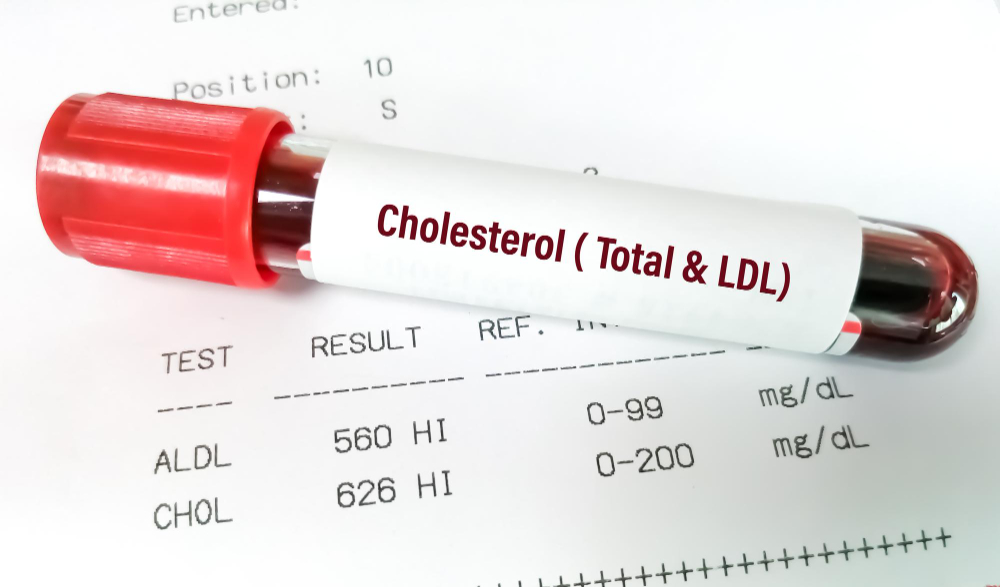
Doctors use a simple blood test called a lipid panel to check for dyslipidemia. This test measures your total cholesterol, LDL (bad cholesterol), HDL (good cholesterol), and triglycerides. Usually, you need to fast for 9 to 12 hours before the test. If your results show high cholesterol or triglycerides, your doctor may repeat the test or order more tests. Because early diagnosis can prevent heart disease, regular screening is important, especially if you have risk factors.
Treatment Options for Dyslipidemia
Treating dyslipidemia often starts with lifestyle changes. However, some people may also need medicine to lower their cholesterol or triglycerides. Your doctor will choose the best treatment based on your age, health, and risk of heart disease. According to the American Heart Association, a mix of healthy habits and medicine works best for most people.
Lifestyle Changes and Prevention Tips
Making small changes in your daily routine can help prevent or control dyslipidemia. For example, eating more fruits, vegetables, and whole grains can lower your cholesterol. In addition, staying active and keeping a healthy weight are important. Even if you already have high cholesterol, these steps can make a big difference.
When to See a Doctor
It is important to talk to your doctor if you have a family history of high cholesterol or heart disease. Also, see your doctor if you notice fatty bumps on your skin or around your eyes. If you have chest pain, shortness of breath, or other heart symptoms, seek help right away. Because dyslipidemia often has no symptoms, regular check-ups are the best way to catch problems early.
If you are worried about your cholesterol or heart disease risk, consult your healthcare provider at Marudham Clinic for advice tailored to your needs.