What is Hypertension?
Hypertension, also called high blood pressure, is a common health problem. It happens when the force of blood against your artery walls stays too high for a long time. Over time, this can harm your heart, brain, and kidneys. According to the World Health Organization (WHO), hypertension affects millions of people worldwide. Early detection and proper care are important for good health.
Common Symptoms of Hypertension
Often, hypertension does not cause clear symptoms. Many people do not know they have it. However, some may notice signs when blood pressure gets very high. For example, you might experience:
Still, these symptoms can also be caused by other health issues. Therefore, regular blood pressure checks are important.
Causes and Risk Factors
Many things can lead to hypertension. Some causes are within your control, while others are not. Common risk factors include:
Because some risk factors are lifestyle-related, making healthy choices can help lower your risk.
How Hypertension is Diagnosed
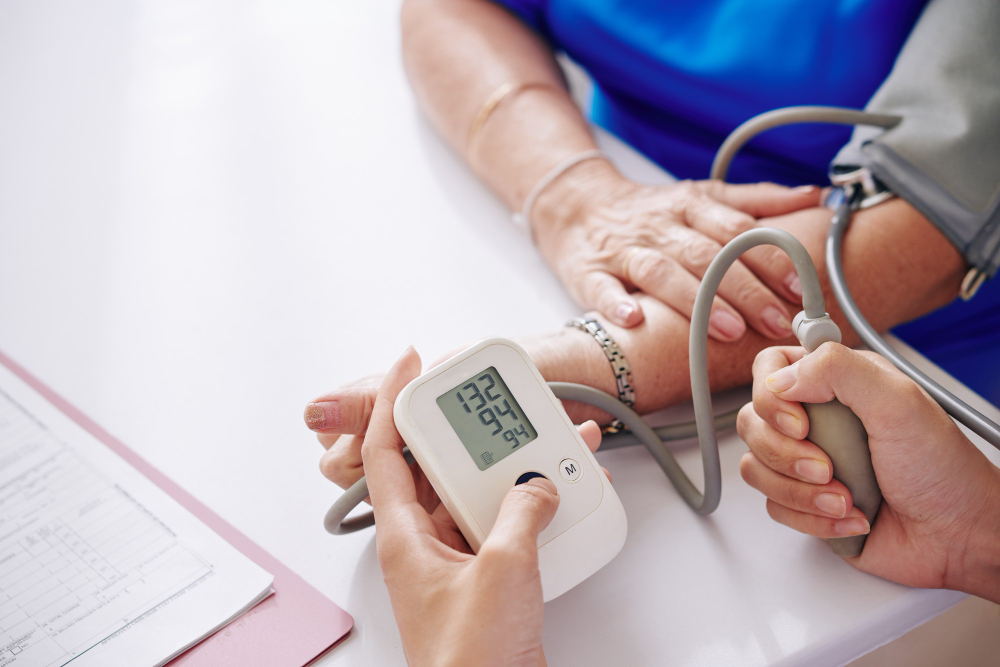
Doctors diagnose hypertension by measuring your blood pressure. Usually, they use a cuff around your arm. If your readings are often above 140/90 mmHg, you may have hypertension. Sometimes, doctors ask you to check your blood pressure at home or wear a monitor for a day. This helps them see if your blood pressure stays high over time. In addition, your doctor may order blood tests or check your heart and kidneys to rule out other problems.
Treatment and Management Options
There are many ways to manage hypertension. Your doctor may suggest:
Sometimes, you may need more than one medicine. Following your treatment plan is key to keeping your blood pressure under control. According to the CDC, proper management lowers the risk of heart attack and stroke.
Lifestyle Tips for Blood Pressure Control
Healthy habits can make a big difference. Here are some tips to help manage high blood pressure:
Even small changes can help lower your blood pressure over time.
Prevention Strategies
Preventing hypertension is possible for many people. You can:
Because prevention is easier than treatment, start healthy habits early.
When to Seek Medical Help
If you notice severe headaches, chest pain, or trouble breathing, seek medical help right away. These could be signs of a serious problem. Also, if you have high blood pressure readings at home, talk to your doctor. Early care can prevent long-term health issues.
For personalized advice on managing hypertension, consult a healthcare professional at Marudham Clinic.