
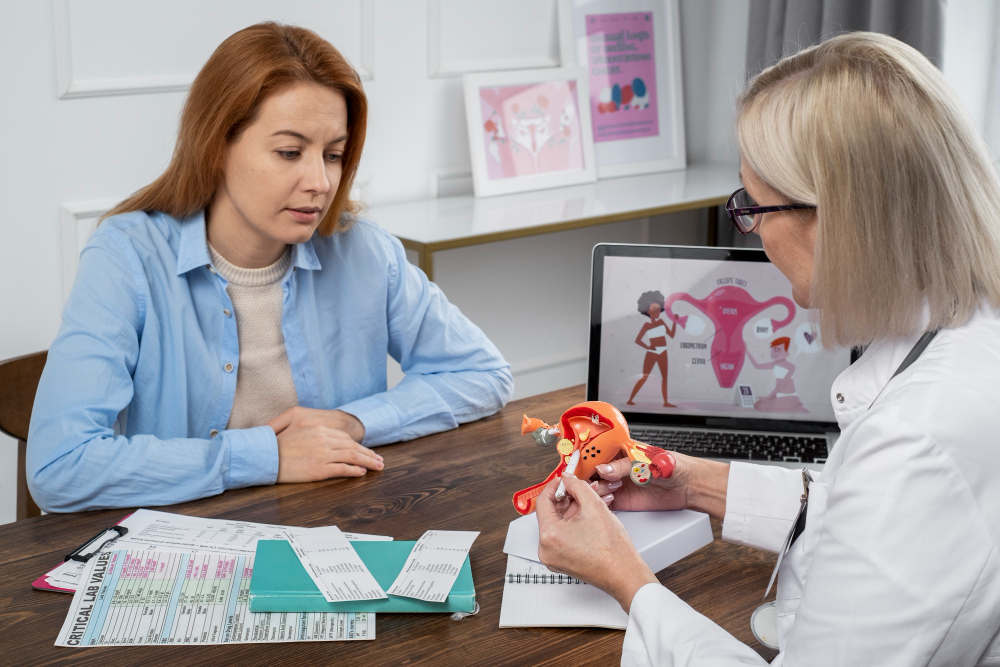
What is PCOD?
PCOD, or Polycystic Ovarian Disease, is a common health problem in women. It affects the ovaries, which are the organs that produce eggs. In PCOD, the ovaries make many small cysts, or fluid-filled sacs. These cysts can cause hormone changes. As a result, women may have irregular periods and other symptoms. PCOD can also affect fertility. However, with the right care, many women manage PCOD well.
Common Symptoms of PCOD
PCOD symptoms can vary from person to person. Still, some signs are more common. Early detection helps in managing PCOD better. Look out for these symptoms:
If you notice these PCOD symptoms, it is wise to talk to a doctor.
Causes and Risk Factors
Doctors do not know the exact cause of PCOD. Yet, several factors may raise the risk. Understanding these can help in managing PCOD:
Although you cannot change your genes, you can lower some risks by making healthy choices.
How PCOD is Diagnosed
Doctors use several steps to diagnose PCOD. First, they ask about your symptoms and medical history. Next, they may do a physical exam. Often, doctors order blood tests to check hormone levels. In addition, an ultrasound scan can show if there are cysts on the ovaries. According to the World Health Organization (WHO), a diagnosis is made if you have at least two of these:
Early diagnosis helps in starting PCOD treatment sooner.
Treatment Options for PCOD
PCOD treatment depends on your symptoms and health goals. Doctors may suggest different options. For example, they may recommend:
Besides medicines, lifestyle changes are important for managing PCOD. Your doctor will help you choose the best plan for you.
Lifestyle Guidance for Managing PCOD
Healthy habits play a big role in managing PCOD. Even small changes can make a difference. Here are some tips:
With these steps, many women see improvements in PCOD symptoms.
Prevention Tips
While you cannot always prevent PCOD, healthy choices may lower your risk. For instance, staying active and eating well can help. Also, keeping a healthy weight and managing stress are useful. If you have a family history of PCOD, regular check-ups can catch problems early.
When to See a Doctor
If you notice signs of PCOD, do not wait. Early care can prevent problems later. For personalized advice on PCOD, consult Marudham Clinic for expert gynecological care.