
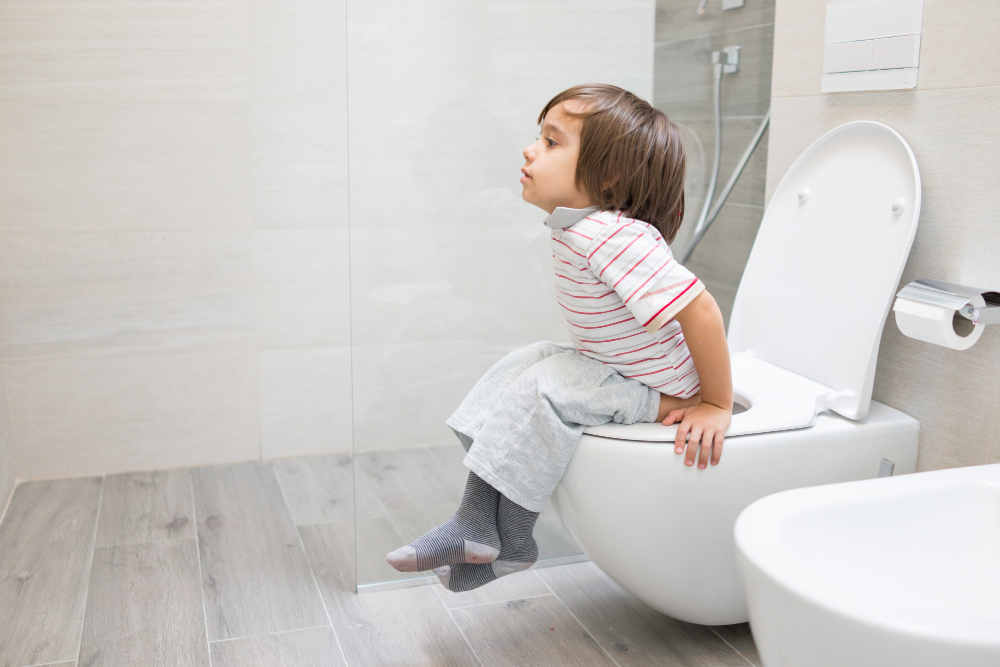
What is Constipation in Children?
Constipation in children is a common problem. It means a child has fewer bowel movements than usual or has trouble passing stool. Often, children may feel pain or discomfort when trying to go to the bathroom. In the United States, many children experience constipation at some point. While it can be worrying for parents, most cases are not serious. However, knowing the signs and causes can help you manage it better.
Common Causes of Constipation in Children
There are several reasons why constipation in children happens. Sometimes, it is due to simple changes in routine. Other times, it may be linked to diet or habits. For example, children may avoid going to the bathroom at school. Below are some common causes:
Recognizing Symptoms
It is important to spot child constipation symptoms early. This helps prevent discomfort and other problems. Some signs are easy to notice, while others may be subtle. For instance, a child may avoid using the toilet. Look for these symptoms:
How is Constipation Diagnosed?
Doctors use simple steps to diagnose constipation in children. First, they ask about your child’s symptoms and habits. Next, they may do a gentle exam of the belly. Sometimes, a doctor may ask about your child’s diet and daily routine. In rare cases, tests like X-rays or blood work are needed. However, most children do not need special tests. The goal is to find the cause and rule out serious problems.
Treatment Options and Home Remedies
There are many ways to treat pediatric constipation. Most children get better with simple changes at home. However, some may need medicine for a short time. Here are some effective options:
According to the CDC, most children improve with these steps. But, always talk to your doctor before starting any medicine.
Tips for Prevention and Healthy Habits
Preventing constipation in kids is possible with a few healthy habits. For example, making small changes in daily routines can help. Try these tips:
With these habits, you can help prevent constipation and keep your child healthy.
When to See a Pediatrician
Sometimes, constipation in children needs medical attention. For instance, if your child has severe pain, vomiting, or blood in the stool, call your doctor. Also, if constipation lasts more than two weeks or keeps coming back, seek help. Early treatment can prevent problems and help your child feel better.
If your child is experiencing constipation, consult a pediatrician at Marudham Clinic for personalized advice and care.