
Introduction
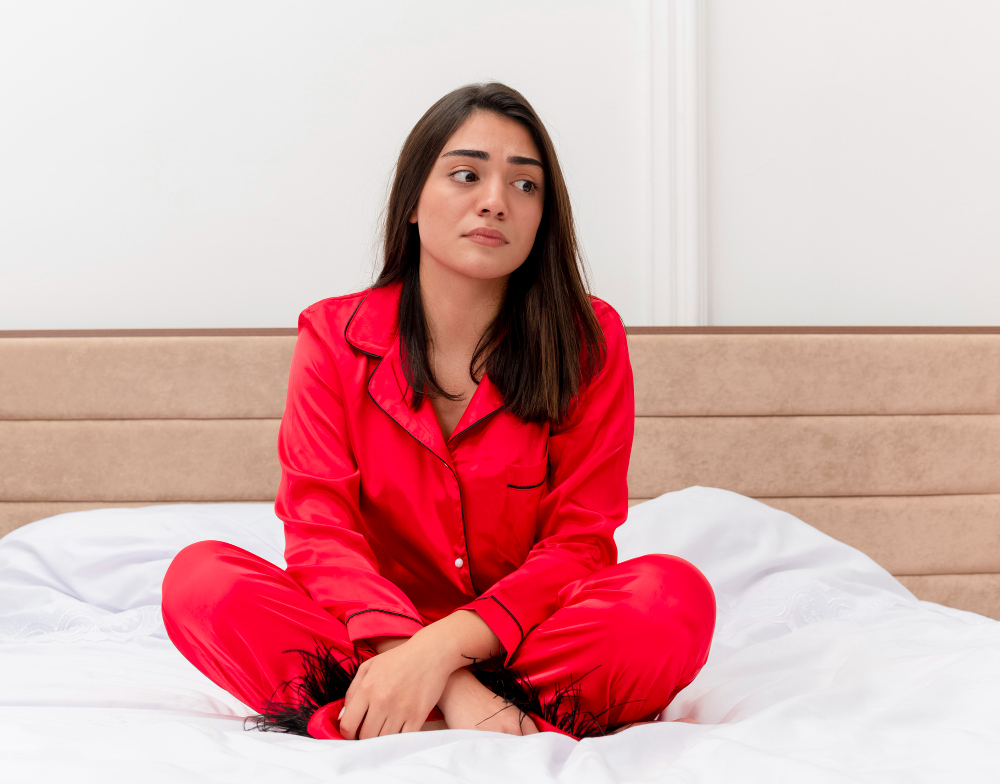
Many people ask, “Why do mood swings happen during periods?” This is a common concern. Mood swings can make you feel happy one moment and sad the next. During your period, you may notice changes in your emotions. These changes are often linked to hormonal changes during menstruation. Emotional symptoms of periods, such as irritability or sadness, are normal for many. Understanding period mood swings causes can help you manage them better.
What Are Mood Swings During Periods?
Mood swings are quick changes in how you feel. For example, you might feel angry, then suddenly feel calm. During periods, these mood changes can be stronger. Many people notice they get upset or cry more easily. Sometimes, you may feel anxious or restless. These emotional ups and downs are called period mood swings.
Common Symptoms of Period-Related Mood Swings
Not everyone has the same symptoms. However, some signs are very common. You may notice:
In addition, some people may feel more sensitive to comments or events. These emotional symptoms of periods can start a few days before bleeding begins and may last a few days into the period.
Main Causes: Hormonal Changes and Other Factors
Hormonal changes during menstruation are the main reason for mood swings. Each month, your body makes more estrogen and progesterone. Then, these hormone levels drop just before your period starts. This sudden change can affect brain chemicals that control mood, such as serotonin. As a result, you may feel more emotional.
Besides hormones, other factors can make mood swings worse:
According to the World Health Organization (WHO) and the Centers for Disease Control and Prevention (CDC), these factors can make period mood swings stronger or last longer.
How Mood Swings Affect Daily Life
Mood swings during periods can impact your daily routine. For instance, you may find it hard to focus at school or work. Sometimes, you might argue more with friends or family. In some cases, you may want to be alone. These feelings can make daily tasks seem harder. However, knowing why mood swings happen can help you cope better.
Tips to Manage Mood Swings During Periods
There are simple ways to ease mood swings. Try these tips:
Moreover, limiting caffeine and sugar may help. If you feel stressed, try gentle yoga or meditation. These steps can make a big difference in how you feel.
When to Seek Medical Advice
Most mood swings during periods are mild. But sometimes, they can be severe. If your mood swings stop you from doing daily tasks, it is time to seek help. For example, if you feel very sad, hopeless, or have thoughts of harming yourself, talk to a healthcare professional right away. In addition, if your symptoms last longer than your period, you should get medical advice. Doctors can help find the best treatment for you.
If you experience severe mood swings during your period, consult a healthcare professional at Marudham Clinic for personalized advice.