
Introduction
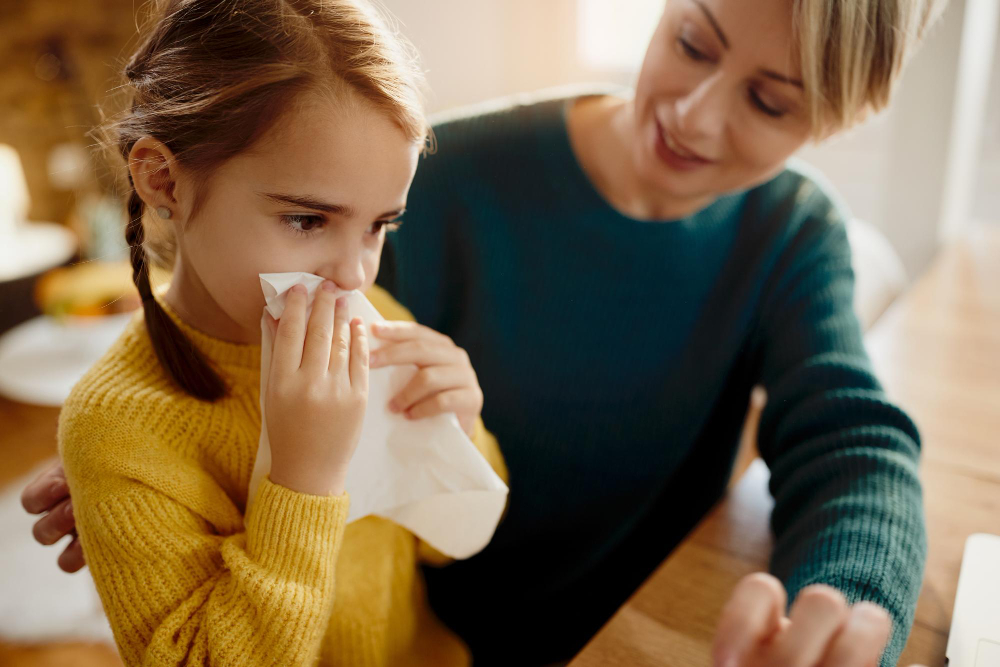
Seasonal allergies in children are common, especially during spring and fall. These allergies happen when your child’s immune system reacts to things like pollen or mold in the air. Because children can feel tired, itchy, or even miss school, managing seasonal allergies in children is important for their health and happiness. Early care helps prevent symptoms from getting worse and keeps your child active and comfortable.
What Are Seasonal Allergies in Children?
Seasonal allergies, also called hay fever, are reactions to allergens that appear at certain times of the year. For example, pollen from trees, grasses, and weeds are common triggers. Mold spores in the air can also cause problems. When children breathe in these allergens, their bodies react by releasing chemicals that cause allergy symptoms.
Symptoms of Seasonal Allergies in Children
Children with seasonal allergies may show different symptoms. However, many signs are easy to spot. Watch for these common allergy symptoms in kids:
Sometimes, children may also have trouble sleeping or focusing in school because of their symptoms.
Causes and Risk Factors
Most seasonal allergies in children are caused by pollen from plants or mold in the air. But not every child reacts the same way. Some children are more likely to develop allergies. For instance, if parents or siblings have allergies, a child’s risk is higher. Living in areas with high pollen counts or lots of outdoor mold can also increase risk. Children with asthma or eczema may be more sensitive to allergens as well.
Diagnosis
If you think your child has seasonal allergies, a pediatrician can help. First, the doctor will ask about your child’s symptoms and when they happen. Next, the doctor may do a physical exam. Sometimes, allergy testing is needed. This can include skin tests or blood tests to find out which allergens cause problems. Early diagnosis helps with children’s seasonal allergy management and can prevent more serious issues.
Effective Management Strategies
Managing seasonal allergies in children takes a few steps. With the right plan, you can help your child feel better. Here are some practical tips:
For some children, medications may help. Over-the-counter antihistamines, nasal sprays, or eye drops can reduce symptoms. However, always talk to your pediatrician before starting any medicine. In some cases, your doctor may suggest allergy shots (immunotherapy) for long-term relief.
Prevention Tips
Although you can’t stop all allergies, you can lower your child’s risk. Try these prevention tips for preventing allergies in children:
By following these steps, you can help reduce allergy flare-ups and keep your child comfortable.
When to See a Pediatrician
Sometimes, home care is not enough. You should see a pediatrician if:
Early medical care can prevent serious problems and help your child feel better faster.
Conclusion
In summary, seasonal allergies in children are common but manageable. With the right steps, you can reduce symptoms and help your child enjoy every season. For the best care, consult a pediatrician at Marudham Clinic for personalized advice on managing your child’s seasonal allergies.