
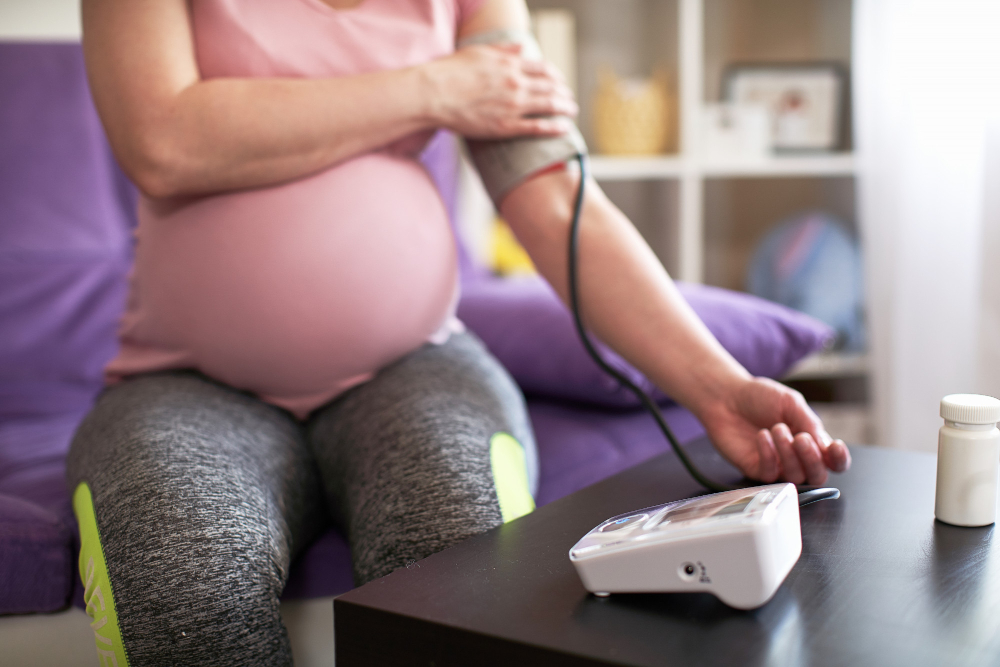
Blood pressure monitoring during pregnancy is very important for both mother and baby. Early checks help spot problems before they become serious. In fact, regular monitoring can prevent health risks like preeclampsia and low birth weight. Because pregnancy changes your body, keeping track of blood pressure helps you and your doctor act fast if something is wrong. For this reason, knowing how and why to monitor blood pressure is key for a safe pregnancy journey.
What is Blood Pressure Monitoring?
Blood pressure monitoring means checking the force of blood against your artery walls. Usually, doctors use a cuff and a small machine to measure it. At home, you can use an automatic blood pressure monitor. Most people see two numbers: the top (systolic) and the bottom (diastolic). For example, a normal reading is around 120/80 mmHg. However, numbers can change during pregnancy. Because of this, regular checks are important to spot any changes early.
Why is Blood Pressure Monitoring Important During Pregnancy?
During pregnancy, your body works harder to support your growing baby. As a result, blood pressure may rise or fall. Monitoring helps catch problems like high blood pressure (hypertension) or low blood pressure. Both can affect your health and your baby’s development. For instance, high blood pressure can lead to preeclampsia, which is dangerous if not treated. On the other hand, low blood pressure may cause dizziness or fainting. Therefore, regular checks help keep you and your baby safe.
Risks of High or Low Blood Pressure in Pregnancy
Both high and low blood pressure can cause problems during pregnancy. It is important to know the risks:
Because of these risks, the World Health Organization (WHO) and Centers for Disease Control and Prevention (CDC) recommend regular blood pressure checks during pregnancy.
How to Monitor Blood Pressure Safely at Home
Many women can check their blood pressure at home. This helps track changes between doctor visits. To do this safely, follow these steps:
For best results, check at the same time each day. If you notice big changes or feel unwell, contact your healthcare provider right away.
When to Seek Medical Help
Sometimes, blood pressure changes need quick action. You should call your doctor if you notice:
Even if you feel fine, these signs can mean a serious problem. Therefore, do not wait to get help. Early treatment can protect you and your baby.
Tips for Maintaining Healthy Blood Pressure During Pregnancy
There are simple ways to keep your blood pressure in a healthy range:
Because every pregnancy is different, always check with your doctor before making big changes to your routine.
In summary, blood pressure monitoring during pregnancy is a simple step that can make a big difference. It helps spot problems early and keeps you and your baby safe. For personalized advice on blood pressure monitoring during pregnancy, consult your healthcare provider at Marudham Clinic.